Asset Management System: Track, Monitor, and Optimize Business Assets with Ease
Introduction
Managing business assets efficiently is essential for organizations of all sizes. Whether it's office equipment, IT hardware, machinery, vehicles, or warehouse inventory, keeping track of assets manually can quickly become challenging. As businesses grow, spreadsheets and paper records often lead to misplaced assets, duplicate purchases, delayed maintenance, and higher operational costs.
An Asset Management System (AMS) helps businesses centralize, monitor, and optimize their assets from a single platform. By automating asset tracking and maintenance, organizations can improve productivity, reduce costs, and make better business decisions.
What Is an Asset Management System?
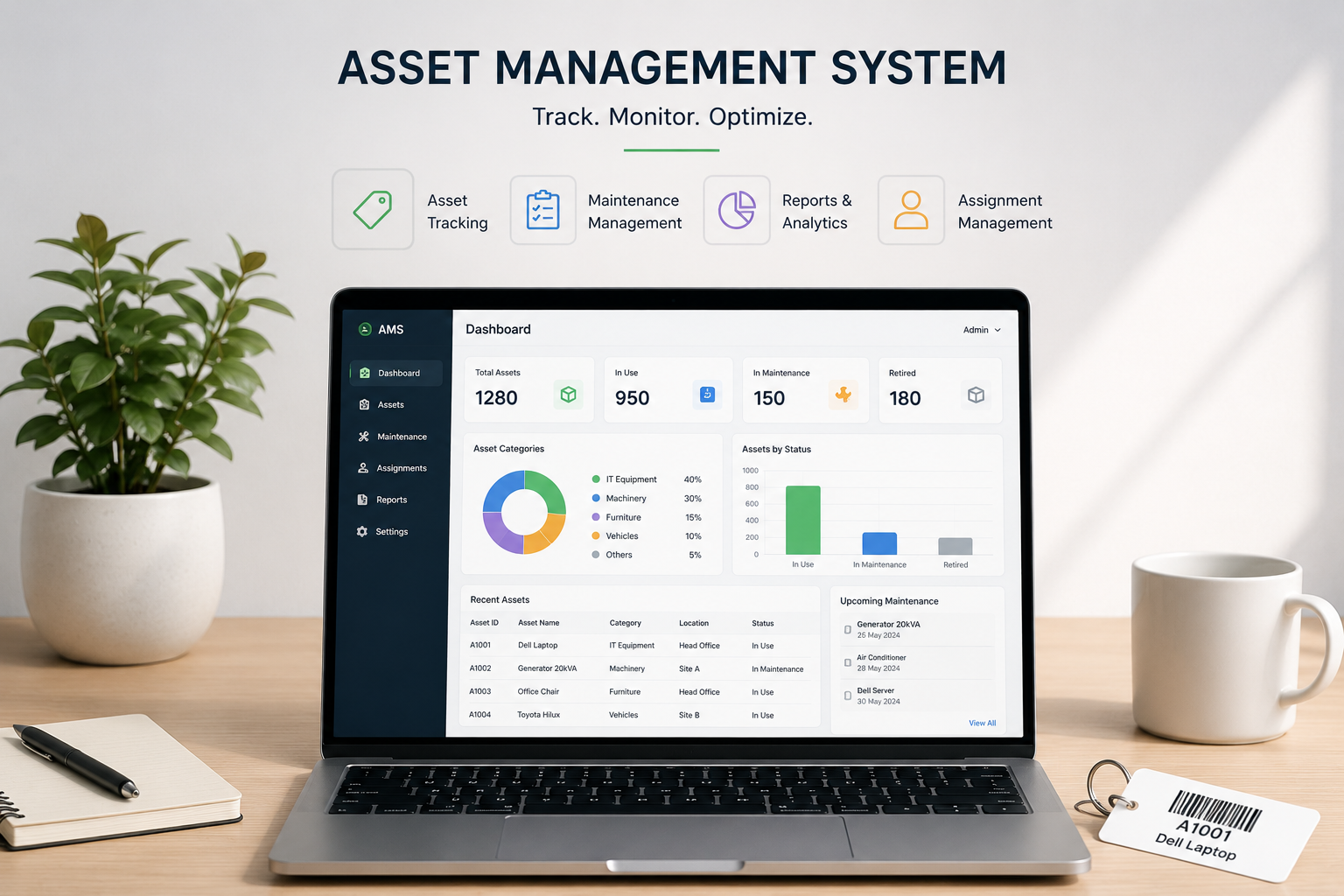
An Asset Management System is a software solution designed to track, monitor, and manage business assets throughout their lifecycle. It stores all asset-related information in a centralized database, making it easy to access and update records whenever needed.
The system typically manages:
- Asset ID
- Asset Name
- Category
- Serial Number
- Purchase Date
- Current Location
- Assigned Employee
- Warranty Information
- Maintenance History
- Asset Status
Instead of relying on manual records, businesses can manage all assets from one secure platform, ensuring greater accuracy and efficiency.
Key Features of an Asset Management System
1. Centralized Asset Database
Store all asset information in one secure location. Authorized users can easily search, update, and manage asset records without maintaining multiple spreadsheets.
2. QR Code & Barcode Tracking
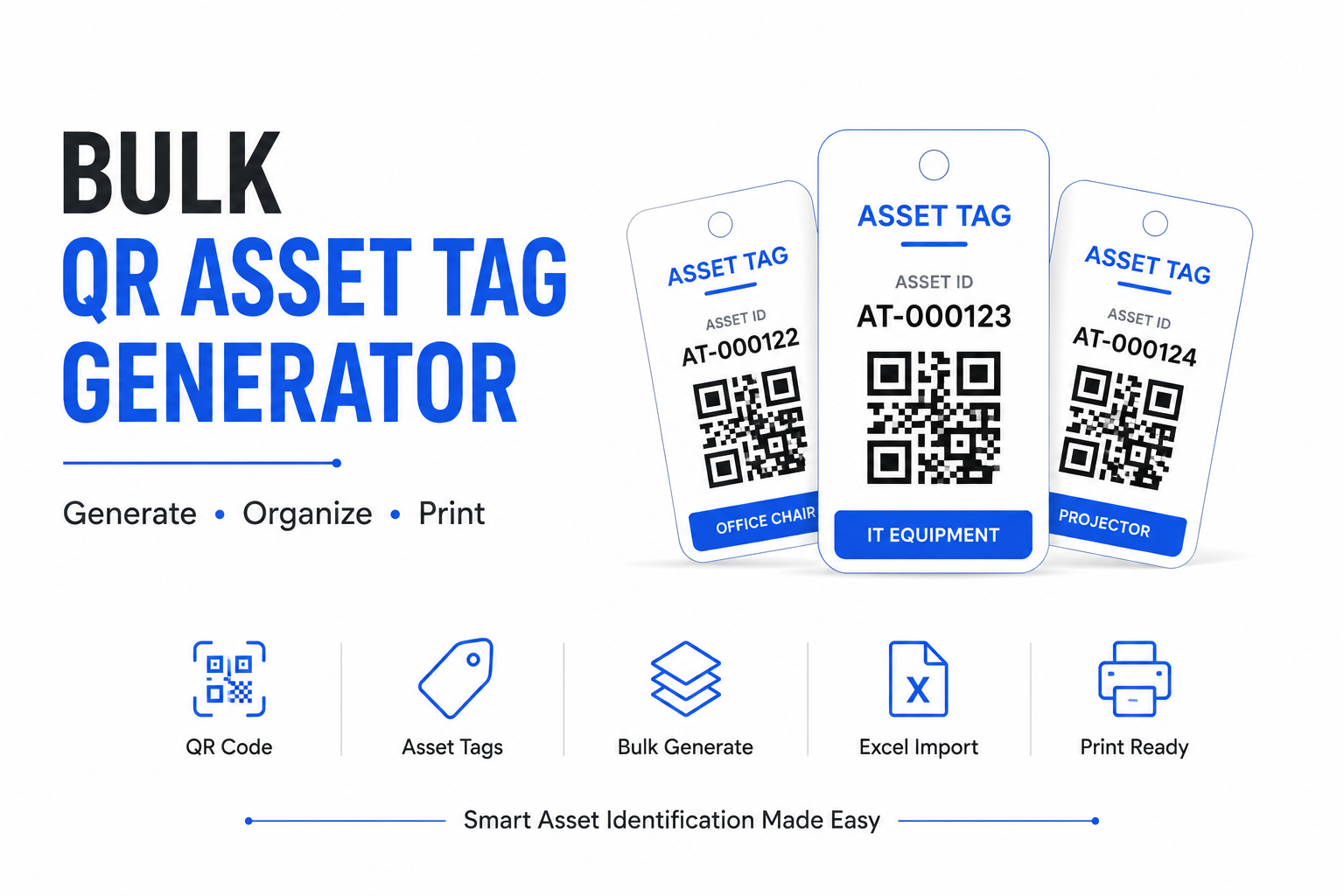
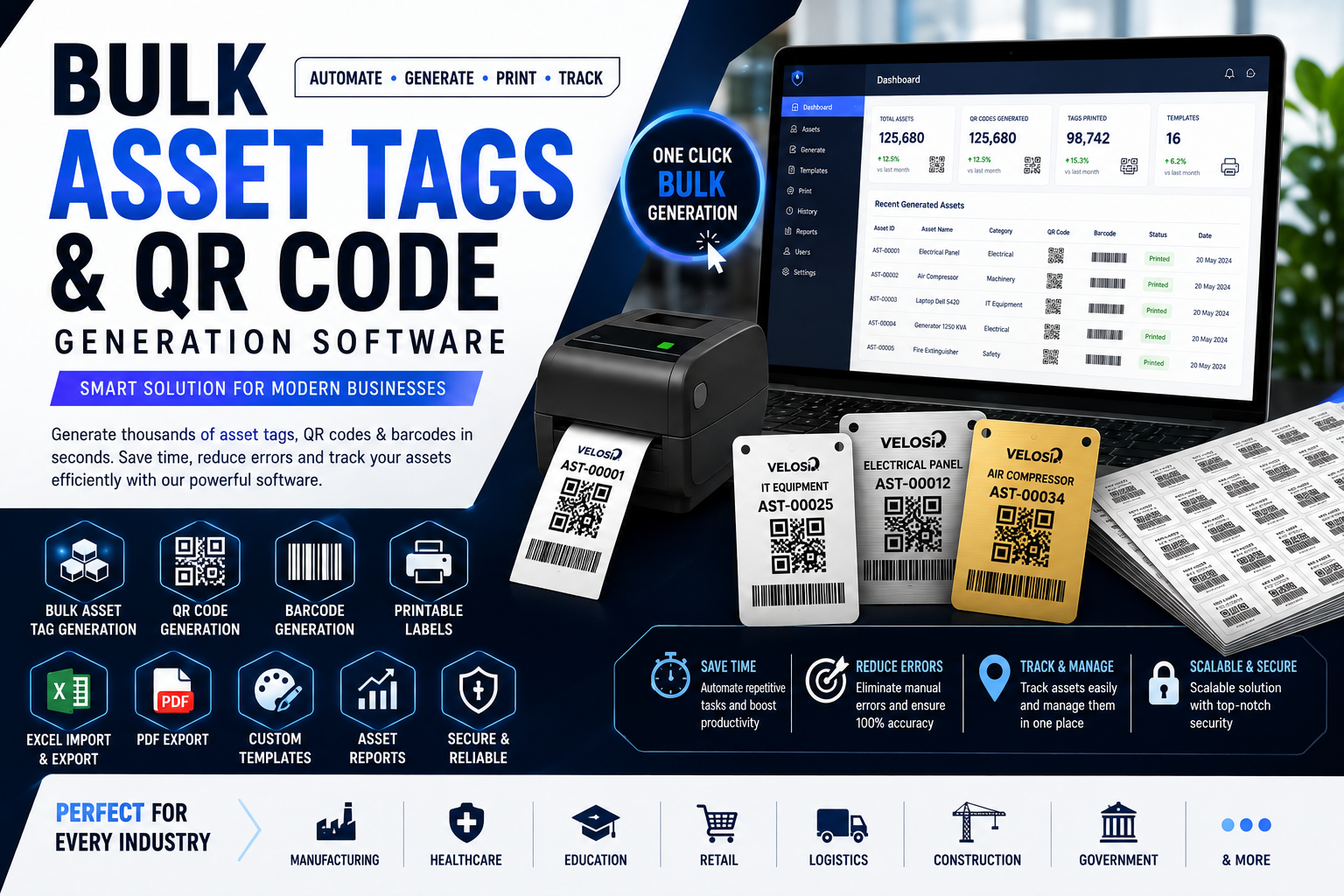
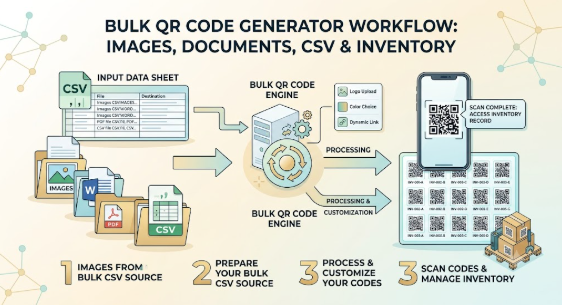
Assign unique QR codes or barcodes to every asset for instant identification. Employees can scan assets using a mobile device to view ownership, maintenance history, and current status in seconds.
3. Asset Lifecycle Management
Monitor every stage of an asset's lifecycle, including procurement, deployment, maintenance, transfers, repairs, and disposal. This helps maximize asset utilization and supports better planning.
4. Preventive Maintenance
Schedule regular maintenance activities and receive automated reminders before equipment requires servicing. Preventive maintenance reduces downtime and extends asset lifespan.
5. Employee Asset Assignment
Assign laptops, tools, mobile devices, and equipment to employees while maintaining a complete history of assignments, transfers, and returns. This improves accountability and minimizes asset loss.
6. Reports and Analytics
Generate comprehensive reports on asset utilization, maintenance costs, warranty expiration, depreciation, and inventory status. These reports help businesses make informed operational and financial decisions.
Benefits of Using an Asset Management System
Implementing an Asset Management System provides several business advantages, including:
- Improve asset visibility across departments
- Reduce manual paperwork and repetitive tasks
- Prevent asset loss and duplicate purchases
- Automate maintenance scheduling
- Increase employee accountability
- Improve inventory accuracy
- Simplify audits and compliance
- Reduce operational costs
- Increase productivity
- Support data-driven decision-making
Who Can Benefit?
An Asset Management System is suitable for organizations across various industries, including:
- Manufacturing Companies
- Healthcare Organizations
- Educational Institutions
- Retail Businesses
- Warehouses
- Logistics Companies
- Construction Companies
- Government Organizations
- IT Companies
- Oil & Gas Industry
Any organization that manages valuable equipment, machinery, or inventory can benefit from implementing an Asset Management System.
Why Businesses Need an Asset Management System
Managing assets manually becomes more difficult as businesses expand. Paper records and spreadsheets often result in outdated information, misplaced equipment, and inefficient asset tracking.
An Asset Management System eliminates these challenges by providing a centralized platform where businesses can monitor assets in real time, automate maintenance, and maintain accurate records. This improves operational efficiency while reducing unnecessary expenses and increasing overall productivity.
Best Practices for Effective Asset Management
To maximize the value of an Asset Management System, organizations should follow these best practices:
- Maintain accurate and up-to-date asset records.
- Use QR codes or barcodes for faster tracking.
- Schedule preventive maintenance regularly.
- Conduct periodic asset audits.
- Assign ownership for every asset.
- Monitor asset performance through reports and analytics.
- Update records whenever assets are transferred or serviced.
Following these practices helps improve asset utilization while reducing maintenance costs and operational risks.
Future of Asset Management
Modern Asset Management Systems continue to evolve with advanced technologies such as Artificial Intelligence (AI), RFID, Internet of Things (IoT), cloud computing, and predictive analytics. These technologies allow businesses to automate tracking, monitor asset health in real time, and predict maintenance requirements before failures occur.
As digital transformation continues, organizations adopting modern asset management solutions will gain better visibility, improve operational efficiency, and maximize the return on their investments.
Conclusion
An Asset Management System is more than just software—it's a complete solution for tracking, monitoring, and optimizing business assets. By centralizing asset information, automating maintenance, improving tracking, and generating detailed reports, businesses can streamline operations and make smarter decisions.
Whether you're managing office equipment, industrial machinery, warehouse inventory, or IT assets, implementing an Asset Management System helps improve productivity, reduce operational costs, and support long-term business growth.