Stuggling with manual stock counts and broken spreadsheets? Learn why a custom inventory management system is the ultimate fix for growing businesses and how to hire the right developers to build it.
Running a business with physical products or high-turnover supplies always hits a predictable wall. In the beginning, a simple spreadsheet or a template checklist works fine. But as your orders grow, manual logs turn into a nightmare of double-data entry, missed stock levels, and ghost inventory.
When off-the-shelf software is either too bloated with features you don't need or completely misses your specific operational workflows, it's time to think bigger.
Investing in a custom inventory management system built specifically for your operations is how modern businesses scale without operational chaos. Here is why customized software wins over rigid SaaS templates, and exactly how to bring your system to life.
The Hidden Cost of "Making Do" With Spreadsheets
Many small-to-medium businesses avoid custom software development because they think an Excel sheet or a generic free tool is "good enough." In reality, manual systems cost you more in invisible leaks:
- Human Error: A single misplaced decimal point in a stock quantity can stall fulfillment or trigger unnecessary bulk orders.
- Siloed Data: If your inventory doesn't talk directly to your ordering system, point-of-sale (POS), or dispatch logs, you are constantly playing catch-up.
- Zero Real-Time Visibility: Knowing what you had last Friday isn't the same as knowing what you have right now.
Why a Custom Inventory Management System Trumps Rigid Off-the-Shelf Tools
Generic inventory software treats every business the same. Whether you run a high-volume ecommerce brand, a commercial kitchen, or an engineering warehouse, they force you into their workflow.
A bespoke web application turns that dynamic on its head:
1. Tailored Feature Sets
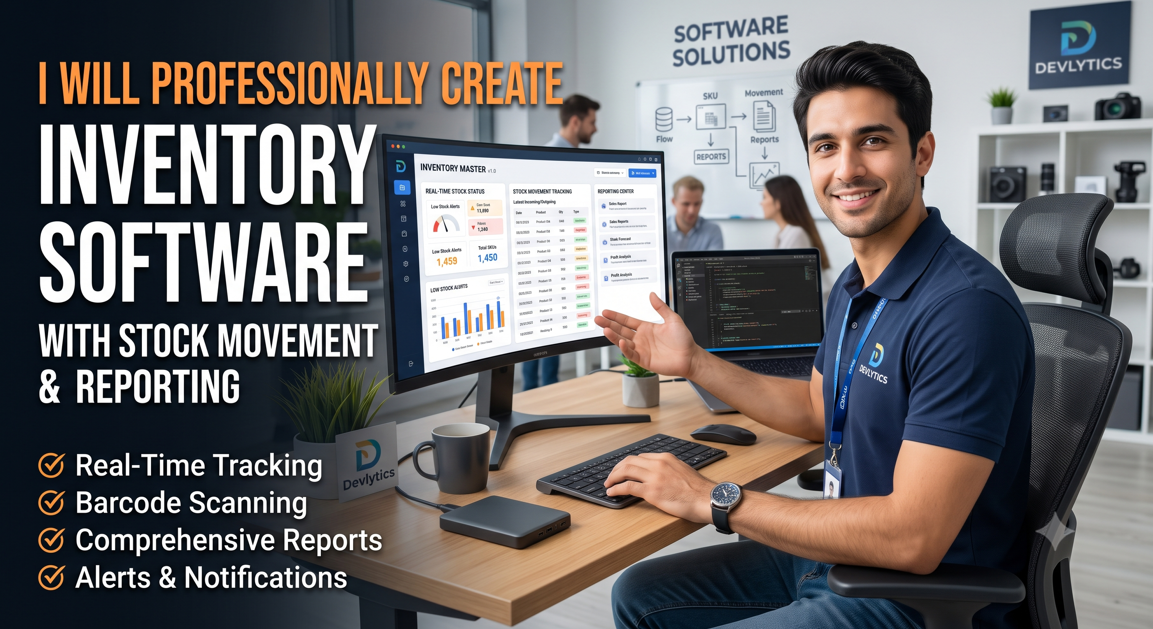
You don't need a massive enterprise suite if you only want three core things: automated low-stock alerts, a responsive mobile UI for warehouse staff, and seamless QR-code or barcode scanning. Custom development means you build only what you use, keeping the interface clean and fast.
2. QR Code & Digital Checklist Integrations
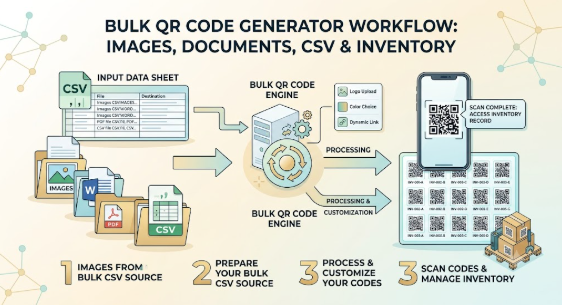
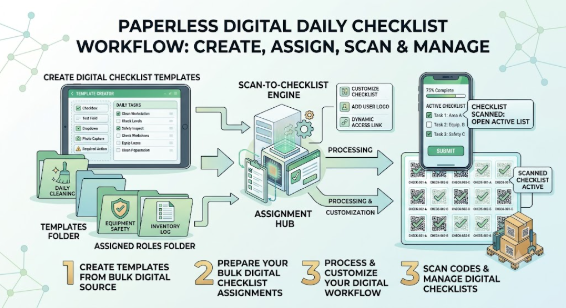
Modern custom platforms allow you to replace physical paperwork entirely. By utilizing QR code-driven digital reporting, field technicians, kitchen staff, or warehouse workers can scan an item on their phone to instantly log a stock change, record a temperature, or complete a safety checklist.
3. Modern Tech Stack, Maximum Speed
Building your tool using a modern stack—like a Next.js and Tailwind CSS front-end paired with a real-time database like Firebase—ensures your internal software is lightning fast, highly secure, and works beautifully across both desktop monitors and mobile devices.
Key Features of a High-Performing Inventory Web App
If you are planning to map out your system requirements, focus on these fundamental building blocks:
??????????????????????????????????????????????????????????
?             CORE CUSTOM INVENTORY MODULES               ?
??????????????????????????????????????????????????????????
?  Real-Time Tracking?  Dynamic Reporting ? QR Scan Engine ?
?  Instant database ? Custom date-range ? Mobile-friendly?
?  updates on scan. ? PDF exports.      ? hardware use.  ?
??????????????????????????????????????????????????????????
- Role-Based Access Control: Ensure admin views can modify pricing and suppliers, while floor staff see clean, distraction-free scanning interfaces.
- Dynamic Document Generation: The ability to pull customized date-range reporting and instantly export beautiful clean PDFs for internal stakeholder reviews.
- Automated Triggers: Hook your platform up to trigger automated email or Slack notifications the second a critical SKU drops below safety stock levels.
How to Build Your Custom Software Without the Headache
You don't need a massive internal IT department to deploy custom infrastructure. The modern remote economy makes it easier than ever to work with independent experts who specialize in internal business tools.
- Define Your MVP (Minimum Viable Product): Strip away the "nice-to-haves." Pinpoint your exact operational bottleneck (e.g., tracking raw materials) and build that first.
- Partner With Experienced Freelancers: Look for specialized developers who understand business workflows, data architecture, and responsive layouts.
Ready to trade your broken spreadsheets for a seamless digital workflow? On RemoteLancers.com, you can connect directly with skilled, verified freelance developers who specialize in custom business software development. Tell us what your operational bottlenecks are, and get tailored bids from global talent ready to execute clean, production-ready applications.