Inventory Management System: The Smart Way to Manage Your Business Inventory
Managing inventory efficiently is one of the biggest challenges businesses face today. Whether you operate a retail store, warehouse, manufacturing company, or eCommerce business, keeping track of stock manually can lead to costly mistakes, delays, and lost sales.
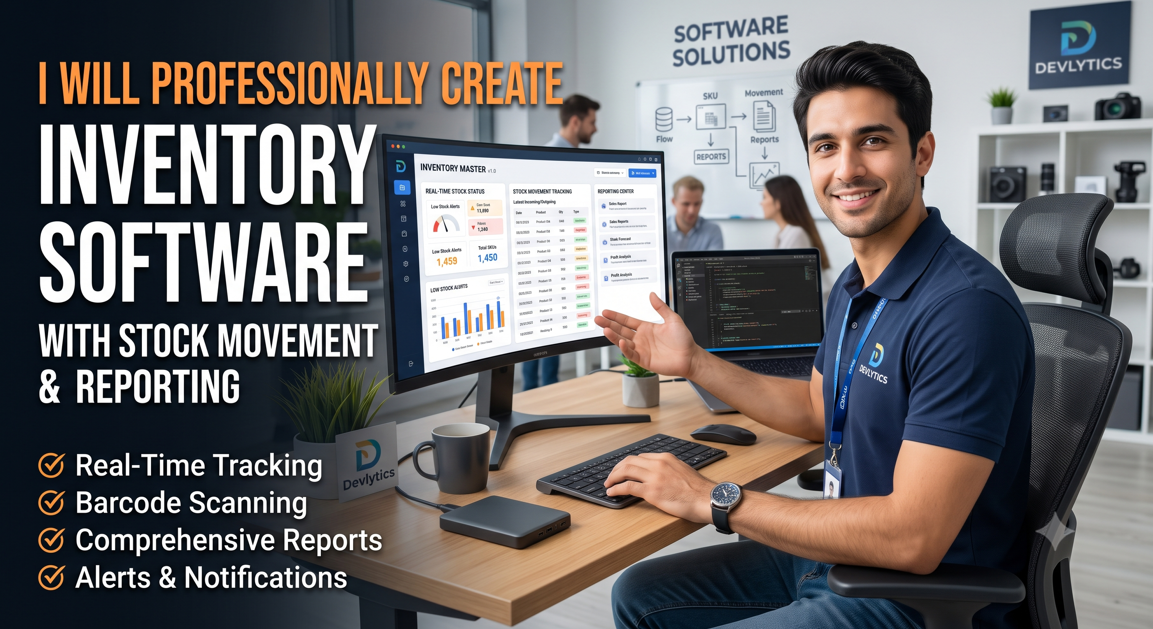
An Inventory Management System (IMS) is designed to simplify inventory tracking, automate stock updates, and provide real-time visibility into your business operations.
What is an Inventory Management System?
An Inventory Management System is software that helps businesses monitor, organize, and control inventory from the moment products enter the warehouse until they are sold or delivered to customers.
Instead of relying on spreadsheets or paper records, businesses can automate inventory processes, reduce errors, and improve overall efficiency.
Key Features
Real-Time Inventory Tracking
Monitor stock levels instantly across multiple warehouses and locations. Every purchase, sale, return, or transfer updates inventory automatically.
Product Management
Maintain detailed product information including:
- Product names
- SKUs
- Categories
- Pricing
- Supplier details
- Barcode information
Stock Alerts
Receive notifications when inventory reaches minimum stock levels so you can reorder products before running out.
Barcode & QR Code Support
Speed up inventory operations with barcode scanning for:
- Receiving products
- Stock counting
- Shipping
- Inventory transfers
Purchase Management
Create and manage purchase orders while tracking supplier performance and delivery schedules.
Sales Integration
Automatically deduct inventory when sales occur, ensuring accurate stock records at all times.
Multi-Warehouse Management
Manage inventory across multiple warehouses or business locations from a single dashboard.
Reports & Analytics
Generate valuable insights such as:
- Best-selling products
- Low-stock items
- Inventory valuation
- Sales trends
- Dead stock analysis
- Purchase history
Benefits of Using an Inventory Management System
Improved Accuracy
Automation minimizes human errors and ensures inventory data remains accurate.
Better Business Decisions
Real-time reports provide valuable insights for purchasing, pricing, and forecasting.
Reduced Operational Costs
Avoid overstocking, understocking, and unnecessary storage expenses.
Increased Productivity
Employees spend less time on manual inventory tasks and more time serving customers.
Enhanced Customer Satisfaction
Accurate inventory ensures products are available when customers need them, improving trust and loyalty.
Who Can Benefit?
An Inventory Management System is suitable for:
- Retail Stores
- Supermarkets
- eCommerce Businesses
- Wholesale Suppliers
- Manufacturers
- Pharmacies
- Restaurants
- Distribution Centers
- Warehouses
- Small and Medium Enterprises (SMEs)
Why Businesses Need Inventory Management Software
Without proper inventory control, businesses may experience:
- Stock shortages
- Excess inventory
- Lost revenue
- Delayed deliveries
- Inaccurate financial records
- Poor customer experiences
An Inventory Management System helps eliminate these issues by providing complete visibility and control over inventory operations.
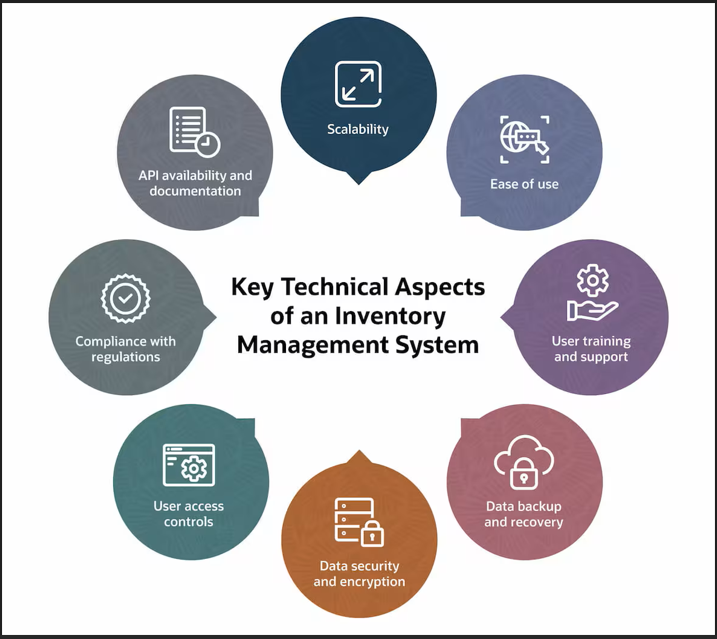
Essential Features to Look For
When selecting an Inventory Management System, consider these important capabilities:
- Cloud-based access
- Mobile compatibility
- Barcode scanning
- Multi-user support
- Secure user permissions
- Purchase and sales management
- Inventory forecasting
- Reporting dashboard
- Data backup
- API integrations
- Multi-location inventory tracking
Future of Inventory Management
Modern inventory systems are increasingly powered by technologies such as Artificial Intelligence (AI), Machine Learning, and automation. These innovations help businesses predict demand, optimize stock levels, and improve operational efficiency while reducing costs.
Cloud-based inventory solutions also allow teams to manage inventory from anywhere, making them ideal for growing businesses with multiple locations.
Conclusion
An Inventory Management System is no longer a luxury—it is a necessity for businesses looking to improve efficiency, reduce costs, and deliver exceptional customer service. By automating inventory processes and providing real-time insights, businesses can make smarter decisions, streamline operations, and stay competitive in today's fast-paced market.
Whether you run a small business or a large enterprise, investing in the right Inventory Management System can significantly improve inventory accuracy, operational performance, and overall business growth.